Curled Mustache Styles: What They’re Called and How to Get the Look
A curled mustache is the boldest, most timeless statement in facial hair — those elegant upward sweeps that turn an ordinary ‘stache into something distinguished. But “curled mustache” isn’t one single style; it’s a whole family of looks, each with its own name and character.
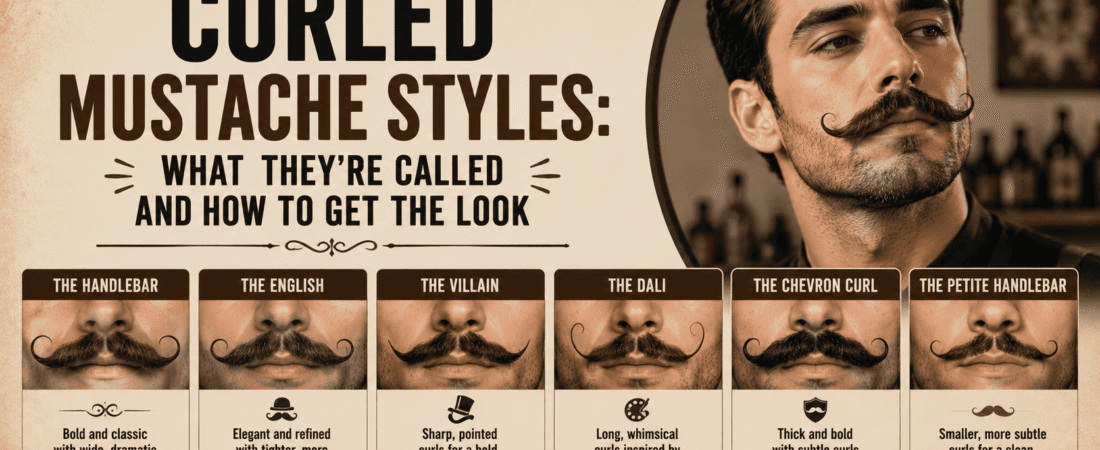
Quick answer — what is a curled mustache called? A mustache with curled-up ends is most commonly called a handlebar mustache. But depending on the size, thickness, and shape of the curl, it also goes by other names: the Hungarian, Dali, imperial, English (when straight), petite handlebar, and Fu Manchu (when curled down). Below, we break down each curled mustache style, who it suits, and how to achieve the look.
Not sure how long yours should take? Try our mustache growth calculator.
What Is a Curled Mustache Called? (The Short Answer)
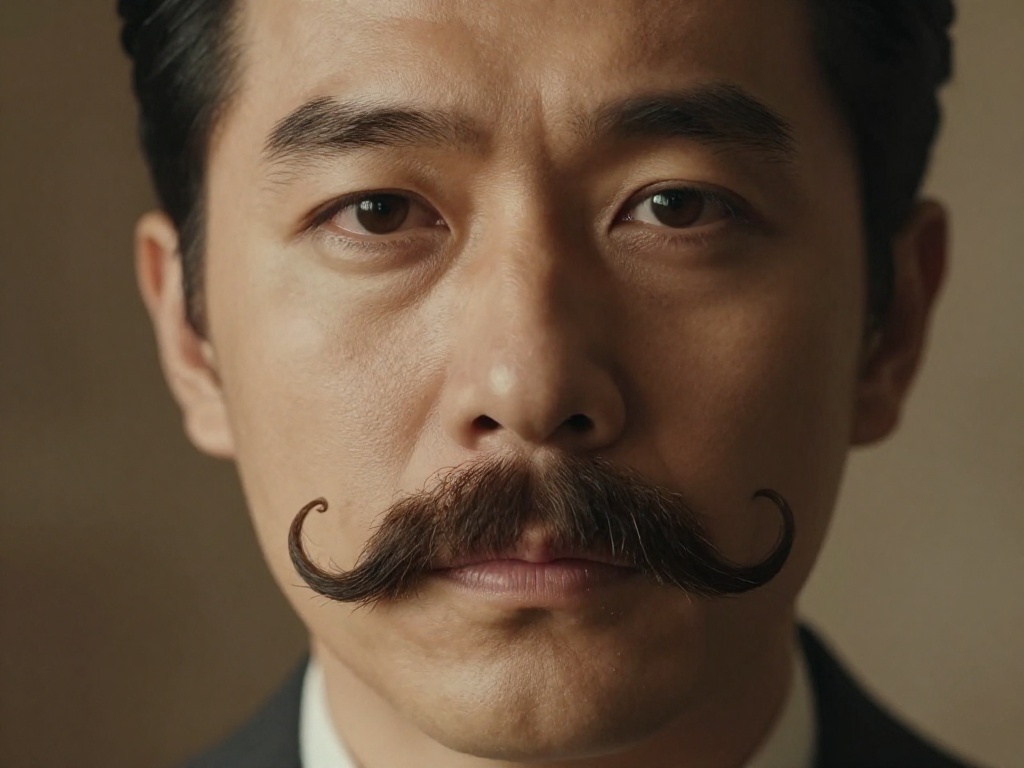
If you want the one-word answer: a curled mustache is a handlebar mustache — named because the upward-curled ends resemble the handlebars of a bicycle. That’s the umbrella term most people mean.
But the curled-mustache world has several named variations, and knowing them helps you pick (and ask your barber for) exactly the look you want. Here they are.
You can also read Old West Mustache Styles: 9 Rugged Cowboy Looks and How to Grow Them
Every Curled Mustache Style, Explained
Classic Handlebar
The quintessential curled mustache. Grown out past the corners of the mouth, with the ends waxed and curled upward into that signature “handlebar” shape. The benchmark all other curled styles branch from. Suits most faces with enough length and patience.
Petite Handlebar
A smaller, tidier version of the handlebar, with shorter upward-curled ends. A great option for men whose mustache hair doesn’t grow super long, or who want the curled look without going full-dramatic.
Hungarian
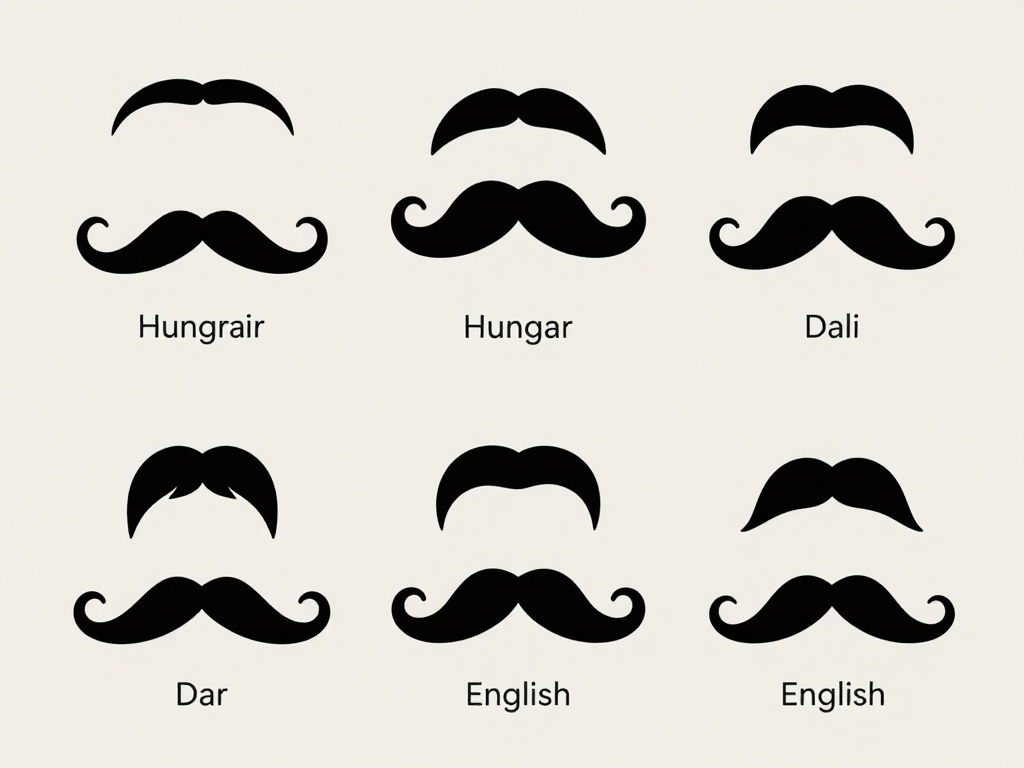
The handlebar’s bigger, burlier brother. The Hungarian is thick and bushy, completely covering the upper lip and styled out to the sides, with the ends often curled up. It’s more of a natural curling handlebar — bigger and wilder. Worn by historical icons like Wyatt Earp and Franz Ferdinand. Needs serious length and density (around 1.5 inches+). Suits men who can grow a lot of thick hair and want a bold, commanding look.
Dali
Made famous by surrealist painter Salvador Dalí, this is a thin, pencil-like mustache with long, narrow handles waxed into sharp points that shoot straight up toward the outer eyes — like longhorn horns. Unlike the handlebar, the Dali ends in sharp upward points rather than rounded curls. Dramatic, eccentric, and artistic.
Imperial
The imperial is a full, regal style that grows from the lip and onto the cheeks with the ends sweeping upward — fuller than a handlebar and very distinguished (made famous by Kaiser Wilhelm II). If you want the full breakdown, see our dedicated imperial mustache guide.
English
Technically the straight cousin — the English mustache is like a handlebar but the long ends are styled to point straight out horizontally rather than curled up. Included here because it’s in the same family; if you let the ends curl, you’re back to a handlebar.
Fu Manchu (Curled Down)
A thin mustache with long ends — but these hang down past the corners of the mouth rather than curling up. A “curled” style in the downward sense, with a clean philtrum gap. Distinct and instantly recognizable.
You can also read Can Castor Oil Grow a Mustache? (The Honest, Evidence-Based Answer)
Curled Mustache With a Beard
A curled mustache pairs beautifully with a beard — in fact, many of the most iconic looks (think Wyatt Earp) combine a full beard with a curled or Hungarian mustache on top. The key is to keep the mustache as the styled centerpiece: wax and curl the ends upward so they stand out clearly above a neat, well-groomed beard. Just make sure the beard doesn’t swallow the mustache — keep the lip line defined so the curl reads clearly. (Searched as “curled mustache with beard” and “beard with curled mustache.”)
Who Suits a Curled Mustache?
- You’ll need length and patience. Curled styles require months of growth to get ends long enough to curl properly. (See how long it takes to grow a mustache.)
- Thicker hair helps, especially for the Hungarian. Finer or shorter growers can rock a petite handlebar or Dali instead.
- It suits confident men — a curled mustache makes a statement, so it rewards owning the look.
- Strong, longer face shapes carry the bigger styles well, but there’s a curled style (petite handlebar, Dali) for most faces.
Not sure how long yours should take? Try our mustache growth calculator.
How to Get the Curled Look (Quick Version)
- Grow it out until the ends pass the corners of your mouth with real length.
- Train the hairs outward and up daily — the blow-dryer method (hot air to shape, cold to set) works wonders.
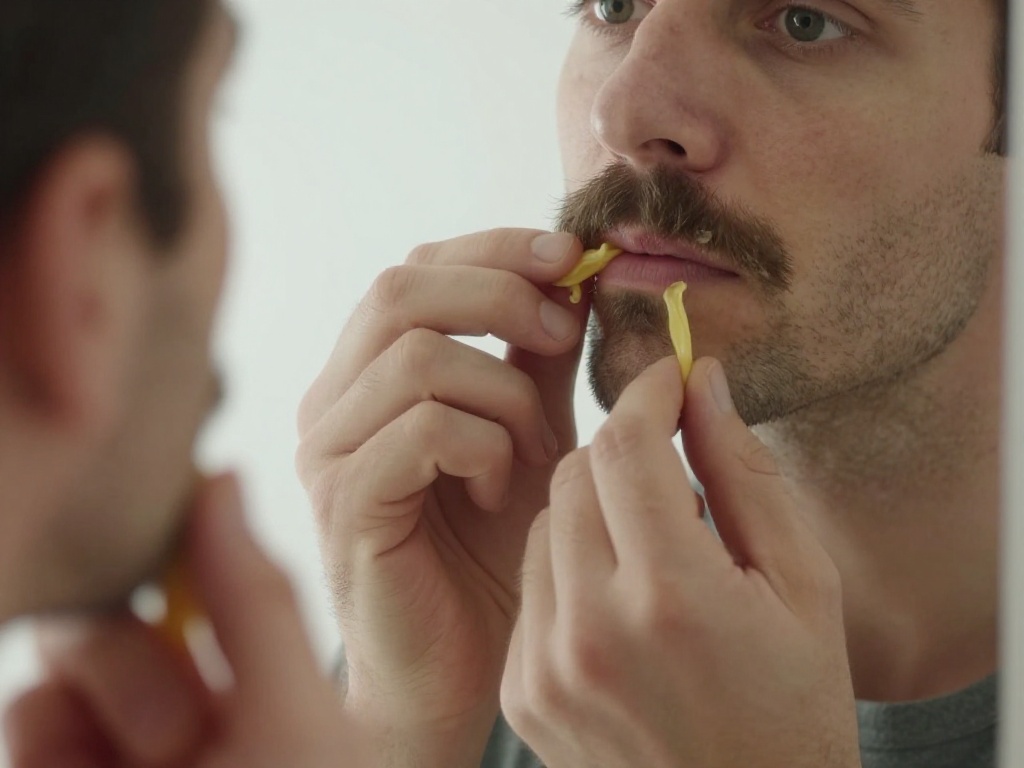
- Apply mustache wax from the center outward, then twist each end upward.
- Form the curl with your fingers, or a pencil/curler for tighter, more dramatic curls; hold to set.
- Maintain daily — comb, re-wax, and reshape each morning.
For the full step-by-step, see our complete guide on how to curl your mustache.
Frequently Asked Questions
What is a curled mustache called?
Most commonly a handlebar mustache, named for its bicycle-handlebar shape. Variations include the Hungarian (bigger and thicker), Dali (thin with sharp upward points), imperial (full and regal), and English (straight ends).
What’s the difference between a handlebar and a Hungarian mustache?
A Hungarian is essentially a bigger, thicker, bushier handlebar that covers the whole upper lip and sweeps to the sides, often with curled ends. The handlebar is neater and more defined; the Hungarian is wilder and fuller.
Can you have a curled mustache with a beard?
Absolutely — it’s a classic combination. Keep the mustache waxed and curled as the centerpiece, and keep the beard neat so the curl stands out clearly.
How long does it take to grow a curled mustache?
You’ll need a few months of growth so the ends are long enough to curl properly. Thicker, faster growers get there sooner; patience is essential for all the curled styles.
What curled mustache style is best for thinner hair?
A petite handlebar or a Dali works well for finer or shorter growth, since they don’t need the heavy density a Hungarian requires.
A curled mustache is most often called a handlebar — but the family includes the bigger Hungarian, the sharp-pointed Dali, the regal imperial, the straight-ended English, and the downward Fu Manchu. They all share one thing: trained, waxed, curled ends that make a bold, timeless statement. Pick the style that fits your hair and face, grow it out with patience, and curl it daily — and you’ll have one of the most distinguished looks a man can wear.
Ready to create the look? See our full guide on how to curl your mustache, the imperial mustache, and our mustache brush guide for training those ends.