
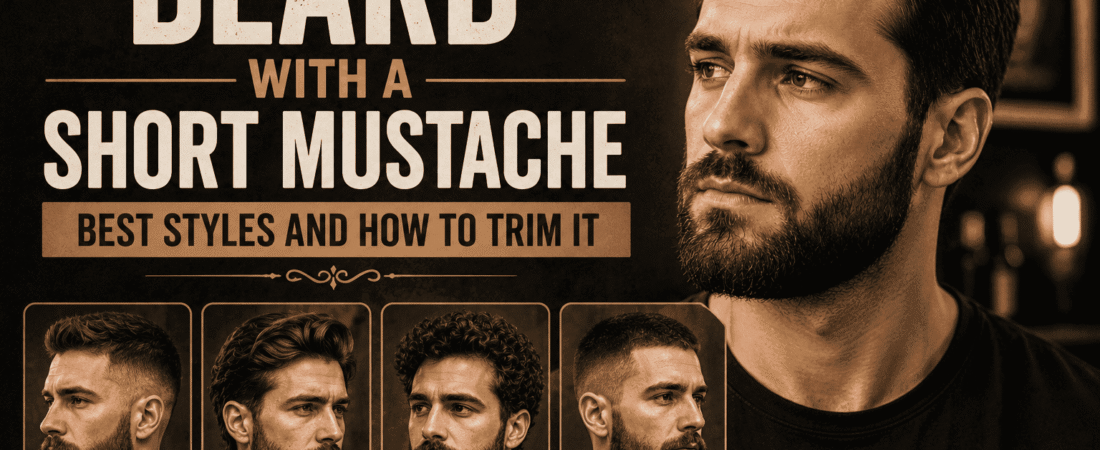
How to Trim a Mustache: The Complete Step-by-Step Guide
A well-trimmed mustache is the difference between looking sharp and intentional versus scruffy and overgrown. The good news? Trimming your mustache is genuinely simple once you know the right tools, the right order, and a few pro techniques to keep it even. This guide walks you through exactly how to trim a mustache — with scissors and with a trimmer — plus how to avoid the mistakes that lead to a lopsided ‘stache.
You can use our Free mustache growth calculator

What You’ll Need
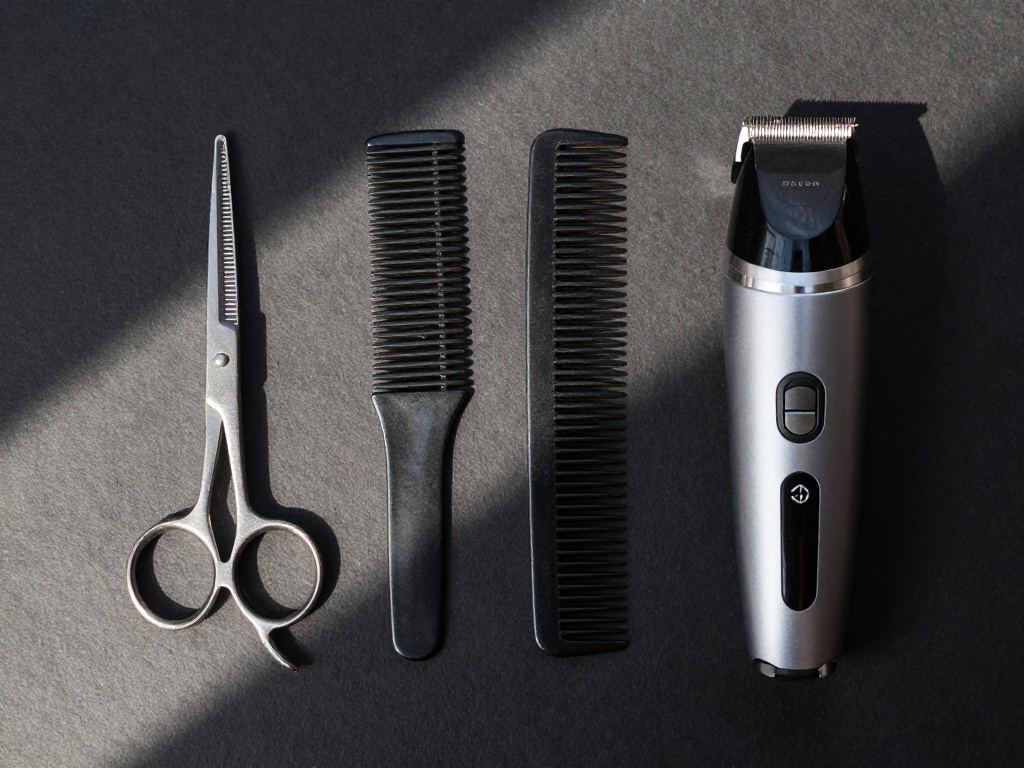
Good tools make the difference between a clean trim and a crooked regret. Gather these first:
- A fine-tooth comb — straightens the hairs so you can see what to cut.
- Mustache/grooming scissors — small, sharp, for precision and detail.
- An electric trimmer with adjustable guards — for quick, even length (mustache hair is coarse, so a quality trimmer matters).
- A mirror with good lighting — never trim blind; good light prevents symmetry disasters.
You don’t need all of them — scissors or a trimmer will do — but having both gives you the most control.
The Golden Rule: Trim Dry, Never Wet
Before anything else, the single most important rule: always trim your mustache dry. Wet hair stretches out and looks longer than it really is, so if you trim it wet, you’ll cut off too much and end up shorter than you wanted. Wash it if needed, then let it fully dry first.
And the second rule: trim conservatively. You can always cut more — you can’t put hair back. Start cautious.
You can also read Mustache Gap: Why You Have One, and How to Fix It (or Rock It)
Step-by-Step: How to Trim Your Mustache
Step 1: Comb It Down
Comb your clean, dry mustache downward in the direction of growth with the fine-tooth comb. This straightens the hairs, exposes stray ones and split ends, and lets you see the true shape and length.
Step 2: Trim the Bottom Line (Off the Lip)
This is the most important line. Trim along the bottom edge of your mustache, following the natural curve of your upper lip, so the hair sits just above the lip and doesn’t hang into your mouth.
- Work from the center outward — start in the middle under your nose, move to one corner, then back to center and out to the other side.
- Look straight ahead in the mirror with a neutral face for an even line.
- Don’t go too close to your actual lip.
Step 3: Trim for Length / Reduce Bulk
Now take down the overall length:
- With scissors: comb the hairs up over the comb and snip the bits that poke through the comb’s teeth — or pull sections gently with your fingers and trim the tips.
- With a trimmer: start with a longer guard, comb the hair down, and run the trimmer downward (with the grain) to reduce bulk and tidy flyaways. Go to a shorter guard only if you want it shorter.
Step 4: Shape the Edges
Trim the outer edges so the mustache doesn’t extend lower than the corners of your mouth (any lower drifts into horseshoe territory). Tidy any stray hairs beyond your natural outline.
Step 5: Check Symmetry
Comb through one last time, look straight in the mirror, and even up both sides. Trim equal amounts from each side. Snip any final stray hairs you missed.
Step 6: Blend (If You Have a Beard)
If your mustache connects to a beard, lightly run the trimmer over the connection points at the corners so the mustache flows into the beard rather than looking like a separate patch. (More on this in our guide to trimming a beard with a short mustache.)
You can also read Should I Shave My Mustache? A Simple Guide to Deciding
Scissors vs. Trimmer: Which Should You Use?
Both work — many men use both. Here’s the honest difference:
- Trimmer — faster, easier, and great for overall length and reducing bulk. Best for beginners and quick maintenance. Use adjustable guards, start long.
- Scissors — more precise and controlled, ideal for detail work, the lip line, blending, and longer styles. No risk of a trimmer’s “one wrong pass” mistake. Best for finesse.
A good approach: trimmer for bulk and length, scissors for the final detail and the lip line.
How to Trim Specific Mustache Styles
The basics above work for any style, but a few notes:
- Chevron / natural: keep it full, just tidy the bottom line and stray hairs.
- Handlebar: don’t trim the ends short — let the sides grow long to curl, and only trim the center and stray hairs. (See how to curl your mustache.)
- Pencil / thin: requires frequent precise trimming with scissors to keep the thin line sharp.
- With a beard: keep the mustache proportioned to the beard and blend the corners.
Common Mustache-Trimming Mistakes to Avoid
- Trimming it wet — leads to cutting too much.
- Cutting the center too short — the middle “makes or breaks” the look; go easy there.
- Uneven sides — always work center-out and trim equal amounts both sides.
- Letting it hang into your mouth — keep the bottom line above the lip.
- Using dull scissors or a cheap trimmer — they pull and split coarse mustache hair; use quality tools.
- Not blending into the beard — leaves the mustache looking like a floating patch.
How Often Should You Trim?
For most men, once a week keeps a mustache looking sharp and even. Pencil and other precise styles may need touch-ups every few days; fuller natural styles can go a bit longer. Regular small trims beat occasional big ones.

Frequently Asked Questions
How do you trim a mustache for beginners?
Comb it down dry, trim the bottom line just above your lip working from center outward, reduce length with scissors over a comb or a trimmer on a long guard, shape the edges, and check symmetry. Trim conservatively — you can always cut more.
Should I trim my mustache with scissors or a trimmer?
Both work. A trimmer is faster and easier for length and bulk; scissors give more precision for the lip line and detail. Many men use a trimmer for length and scissors for the finishing touches.
Why should I trim my mustache dry, not wet?
Wet hair stretches and looks longer than it is, so trimming wet causes you to cut off too much. Always comb and trim a dry mustache for an accurate result.
How do I trim the mustache hair above my lip?
Comb the mustache down, then trim along the bottom edge following the natural curve of your upper lip, working from the center outward. Keep the hair just above the lip so it doesn’t get in your mouth, and don’t cut too close to the lip itself.
How often should I trim my mustache?
About once a week for most styles keeps it sharp and even. Precise styles like a pencil may need touch-ups every few days.
The Bottom Line
Trimming a mustache comes down to a few simple rules: trim it dry, comb it down, work the bottom line from the center outward, reduce length conservatively (longer guard first, or scissors over a comb), shape the edges, and check both sides for symmetry. Use a trimmer for bulk and scissors for detail, blend into your beard if you have one, and do a quick tidy weekly. Follow that and you’ll keep your ‘stache sharp, even, and intentional — no crooked-mustache regret.
Want to go further? See our mustache brush guide for training the hairs, how to curl your mustache for handlebar styling, and beard with a short mustache for the beard-and-‘stache combo.