
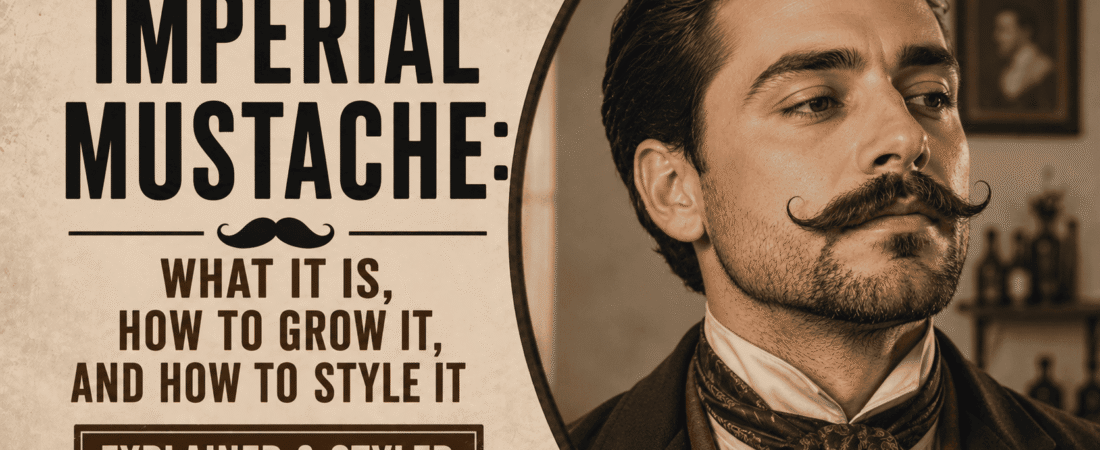
Imperial Mustache: What It Is, How to Grow It, and How to Style It
Few mustache styles command a room like the imperial. With its bold, full body and dramatic upturned ends, it’s facial-hair royalty — literally. If you’ve admired that distinguished, Kaiser-style ‘stache and wondered how to grow one yourself, this is your complete guide: what the imperial mustache actually is, who it suits, and exactly how to grow and style it.
Quick answer: The imperial mustache is a thick, full mustache that grows from the upper lip and up onto the cheeks, with the ends trained and waxed upward into elegant arcs. It was made famous by Kaiser Wilhelm II of Germany, and it suits men with thick facial hair who want a bold, confident, refined look.
Not sure how long yours should take? Try our mustache growth calculator.
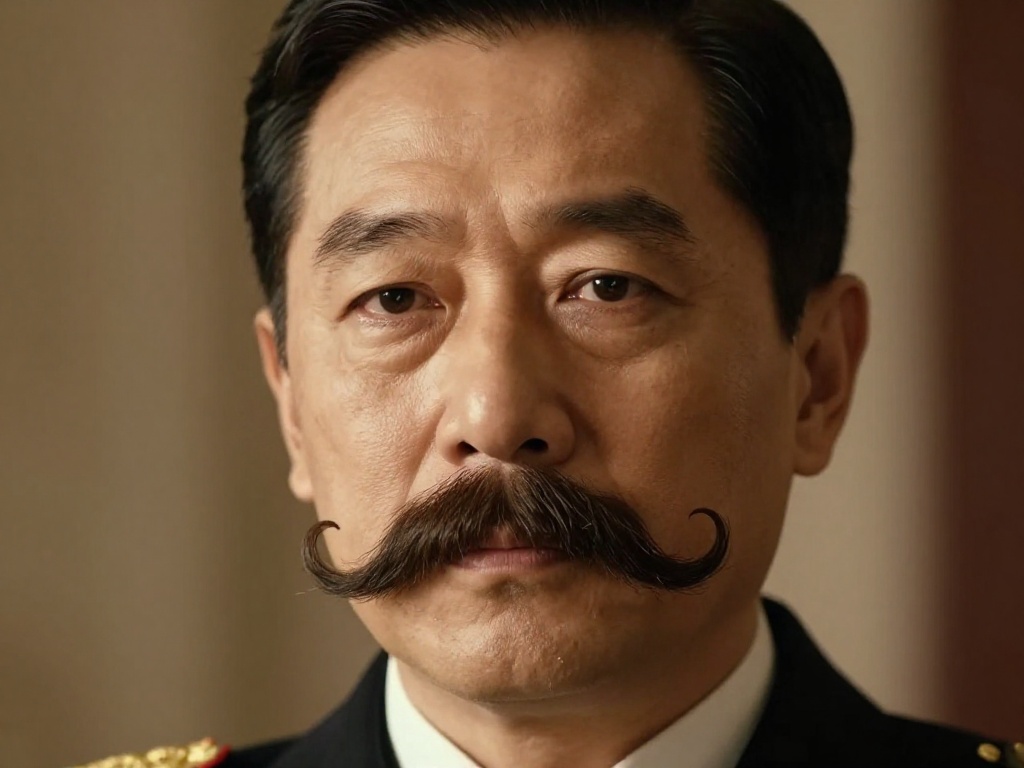
What Exactly Is an Imperial Mustache?
The imperial mustache has three defining features:
- Full, thick growth above the upper lip — this is a bold, substantial style, never thin or pencil-like.
- Hair grown up onto the cheeks, extending the mustache upward toward the cheekbones — this is what sets the imperial apart from most other styles.
- Upturned, curled ends — the tips are trained and waxed upward into distinguished arcs.
Think of it as belonging to the same bold family as the chevron and walrus, but with the dramatic upward sweep of a Dalí — only fuller, and without the tight, sharp waxed points. It’s striking and commanding, yet refined.
A common mix-up to clear up: the imperial is not the “toothbrush” mustache (that’s the small, square style). Some sites confuse the two — the imperial is the large, full, cheek-reaching style with upturned ends. Now you know the difference.
A Quick Bit of History
The imperial mustache gets its name from Kaiser Wilhelm II, the last German Emperor (reigned 1888–1918), who made the style famous. It became one of the boldest, most status-laden looks of the late 1800s — the mark of authority and confidence. Today, as classic grooming makes a comeback, the imperial is enjoying a quiet resurgence among men who want a ‘stache with genuine character.
You can also read Old West Mustache Styles: 9 Rugged Cowboy Looks and How to Grow Them
Is the Imperial Mustache Right for You?
Honest assessment before you commit, because this style is demanding:
- You need thick, coarse hair on both your upper lip and upper cheeks. If your growth there is thin or patchy, the imperial probably isn’t the right pick — it relies on density. (If that’s you, see our guide on how to make your mustache thicker first.)
- It flatters square faces and strong jawlines best — the size and shape balance those features beautifully. It works on most face shapes, but square faces wear it especially well.
- It’s high-maintenance. This is a daily-styling commitment — comb, wax, mirror. If you want low effort, this isn’t it.
- It makes a statement. The imperial says confidence. If you don’t mind turning heads, it’s a rewarding look.
You can also read Do I Shave What’s Connecting My Beard to My Mustache?
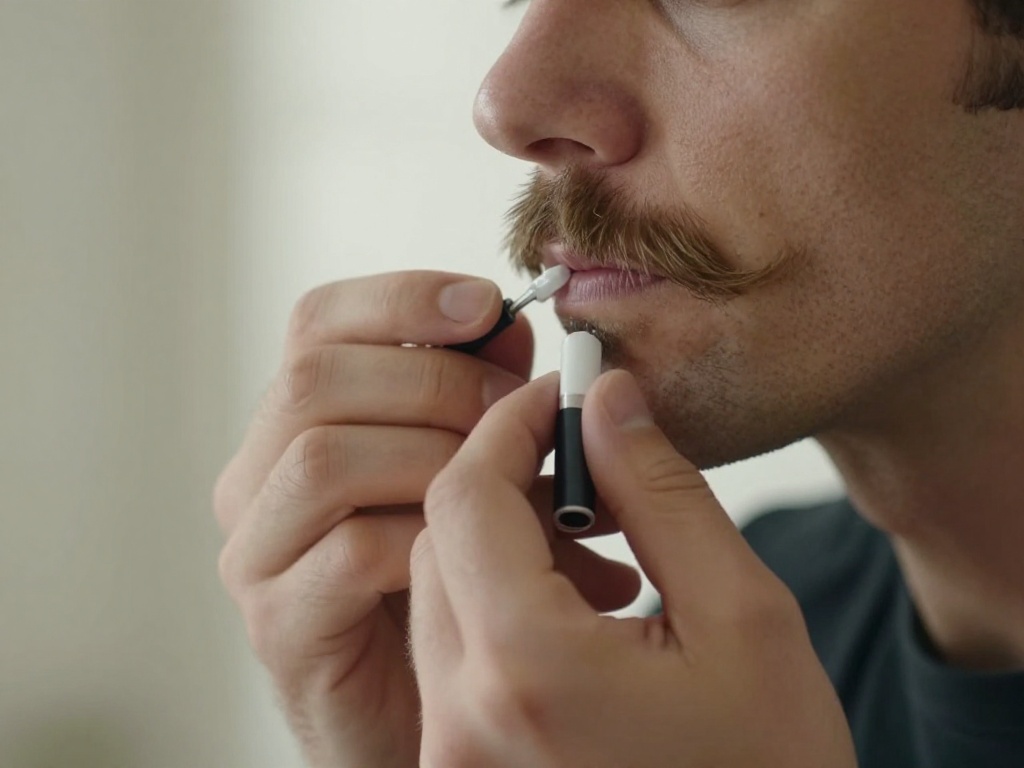
How to Grow an Imperial Mustache (Step by Step)
Step 1: Grow It Out (Including the Cheeks)
Let the hair on your upper lip and upper cheeks grow for at least 4–6 weeks without trimming, so you build the length and density the imperial needs. Resist trimming stray hairs early — you want full coverage first.
A smart growing tip: because lip-and-cheek hair can look odd growing out on its own, many men find it easiest to grow a full, thick beard first, then trim and shave the imperial shape into it once there’s enough length. This gives you material to sculpt rather than waiting on awkward isolated patches.
Step 2: Shape It
Once you’ve got length:
- Comb the mustache downward and trim any hairs hanging over the lip with small scissors.
- If you grew a full beard, use a trimmer then a sharp razor with good shaving foam to remove the excess from the cheeks and jaw, leaving the imperial’s lip-and-upper-cheek shape. Trim with the grain to reduce tugging.
Step 3: Train the Ends Upward
This is what makes it an imperial. As it grows:
- Use a fine-toothed comb to brush the hairs outward from the philtrum (center) toward the sides, several times a day — this teaches the mustache to sweep into the imperial arc.
- Apply mustache wax and twist/train the ends upward, holding the curl. You can start training even sooner by wetting the mustache and combing it in the direction you want.
Step 4: Maintain It
- Trim weekly with comb and scissors to keep the shape clean.
- Wax and style daily to hold the upturned ends.
- Keep it clean — rinse gently after meals and pat dry.
A note on speed: facial hair grows at its own genetic pace, so be patient — and ignore the “supplements to grow it faster” claims you’ll see elsewhere; they’re not a reliable shortcut. (More honest detail in our guide on how to grow a mustache faster.)
Not sure how long yours should take? Try our mustache growth calculator.
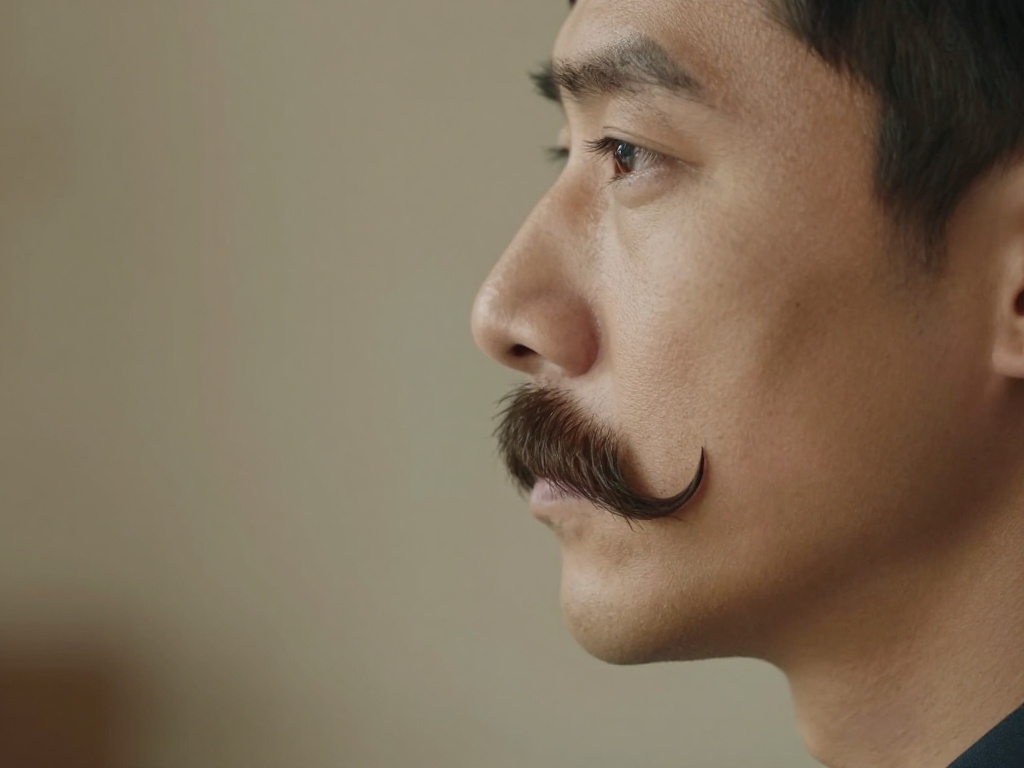
Imperial Mustache vs. Handlebar: What’s the Difference?
People often confuse these two upturned styles, so here’s the distinction:
- A handlebar mustache is grown only on the upper lip, with the ends grown long and curled up/out into “handlebars.” The focus is the lip line and the curled ends.
- An imperial mustache is fuller and grows from the lip and up onto the cheeks, with the whole thing sweeping upward — bigger and more “all-over” than the lip-only handlebar.
In short: handlebar = lip + curled ends; imperial = lip + cheeks + upward sweep. The imperial is the bolder, larger of the two.
Imperial Mustache With a Beard
You can absolutely pair the imperial with a beard. In fact, since the style uses cheek hair, growing a full beard first and shaping the imperial into it (as described above) is a common route. If you keep a beard, just maintain the imperial’s upturned, defined shape on top so it stays the star — comb and wax the ends upward, and keep the beard tidy so it complements rather than swallows the mustache.
You can also read Mustache Gap: Why You Have One, and How to Fix It (or Rock It)
Frequently Asked Questions
What is an imperial mustache?
A thick, full mustache that grows from the upper lip and up onto the cheeks, with the ends trained and waxed upward into arcs. It was made famous by Kaiser Wilhelm II of Germany.
How do you grow an imperial mustache?
Grow the lip and cheek hair for 4–6 weeks (or grow a full beard first and shape it in), trim the hairs off the lip, then train the ends upward daily with a comb and mustache wax. Maintain with weekly trims and daily styling.
What’s the difference between an imperial and a handlebar mustache?
A handlebar grows only on the upper lip with curled ends; an imperial is fuller, grows from the lip and cheeks, and sweeps upward overall. The imperial is the bolder, larger style.
Who does the imperial mustache suit?
Men with thick, coarse hair on the upper lip and cheeks, especially those with square faces and strong jawlines. It’s not ideal for thin or patchy growth.
Can you wear an imperial mustache with a beard?
Yes. Because it uses cheek hair, many men grow a full beard first and shape the imperial into it. Just keep the upturned mustache shape defined so it stands out.
Not sure how long yours should take? Try our mustache growth calculator.
The imperial mustache is a bold, full, cheek-reaching style with elegantly upturned ends — facial-hair royalty made famous by Kaiser Wilhelm II. It demands thick growth, daily styling with wax and a comb, and a good dose of patience, but it rewards you with one of the most distinguished, confident looks a man can wear. Grow it out (a full beard first makes shaping easier), train the ends skyward, and maintain it with weekly trims. If you’ve got the density and the confidence, the imperial is worth every minute at the mirror.
Want to build up to it? See how to make your mustache thicker, how to grow a mustache faster, and our mustache brush guide for training those ends upward.