
Do I Shave What’s Connecting My Beard to My Mustache?
You’re trimming your beard, and you hit that little stretch of hair on either side of your mouth — the part that links your mustache down to your beard. And you pause: do I shave this, trim it, or leave it?
Here’s the short answer: you don’t have to shave it — keeping or removing those “connectors” is entirely a style choice, not a grooming rule. Most men keep them for a fuller, more natural beard, but there are good reasons to trim or shave them depending on the look you want. This guide walks you through exactly how to decide, and how to do it right whichever way you go.
Not sure how long yours should take? Try our mustache growth calculator.
First — What Are These “Connectors”?
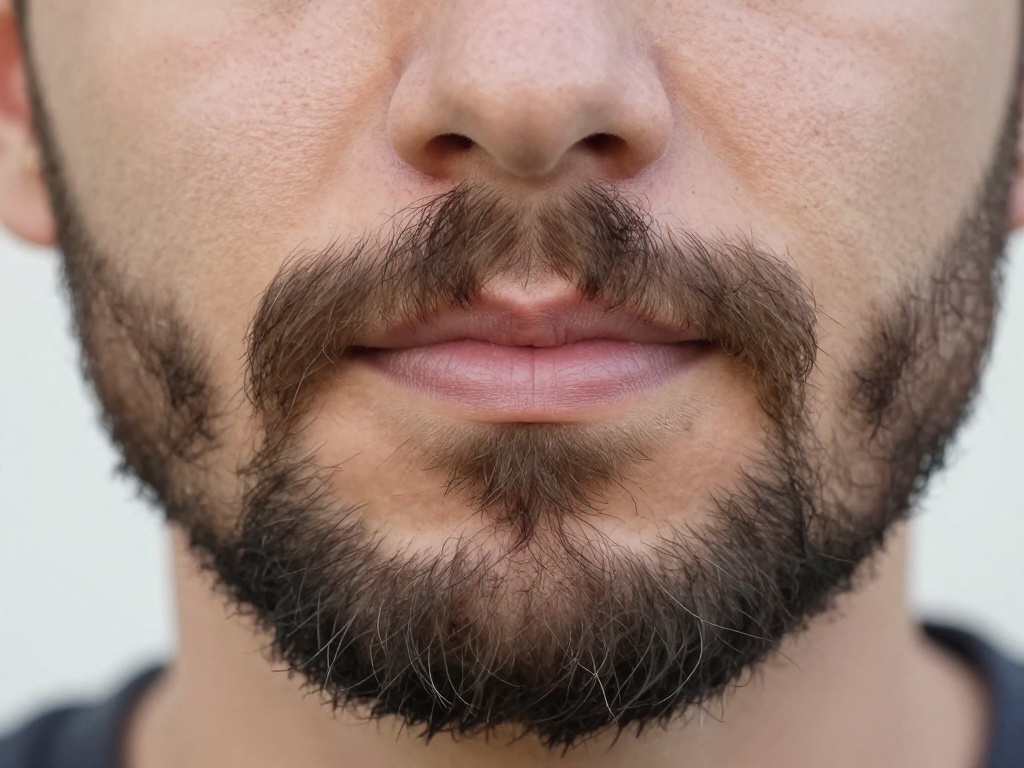
The hair you’re looking at has a name among beard guys: the connectors (or “connecting hairs”). They’re the hairs running down from the corners of your mustache to meet the top of your beard, framing your mouth on both sides. Together with your mustache and the hair on your chin, they form the “box” around your lips.
A lot of men don’t realize this is even a choice — they assume you’re supposed to shave a clean line there, or assume you must leave everything. Neither is a rule. It’s purely about the look you’re going for.
You can also read Mustache Gap: Why You Have One, and How to Fix It (or Rock It)
Should You Keep or Shave the Connectors? (The Honest Breakdown)
This is genuinely a personal-style decision. Here’s the honest case for each, so you can pick what fits you.
Reasons to KEEP the connectors (most common)
- A fuller, more natural beard. Connected facial hair reads as a complete, seamless beard. This is the classic full-beard look most men want.
- Easier styling. When your mustache connects into your beard, the mustache tips blend in naturally — you don’t have to style them daily. Many men keep them simply because it’s lower-maintenance.
- The thing lots of guys wish they had. Plenty of men can’t grow connectors and would love to. If yours grow in, you’ve got something many envy — worth thinking twice before removing.
Reasons to SHAVE or TRIM the connectors
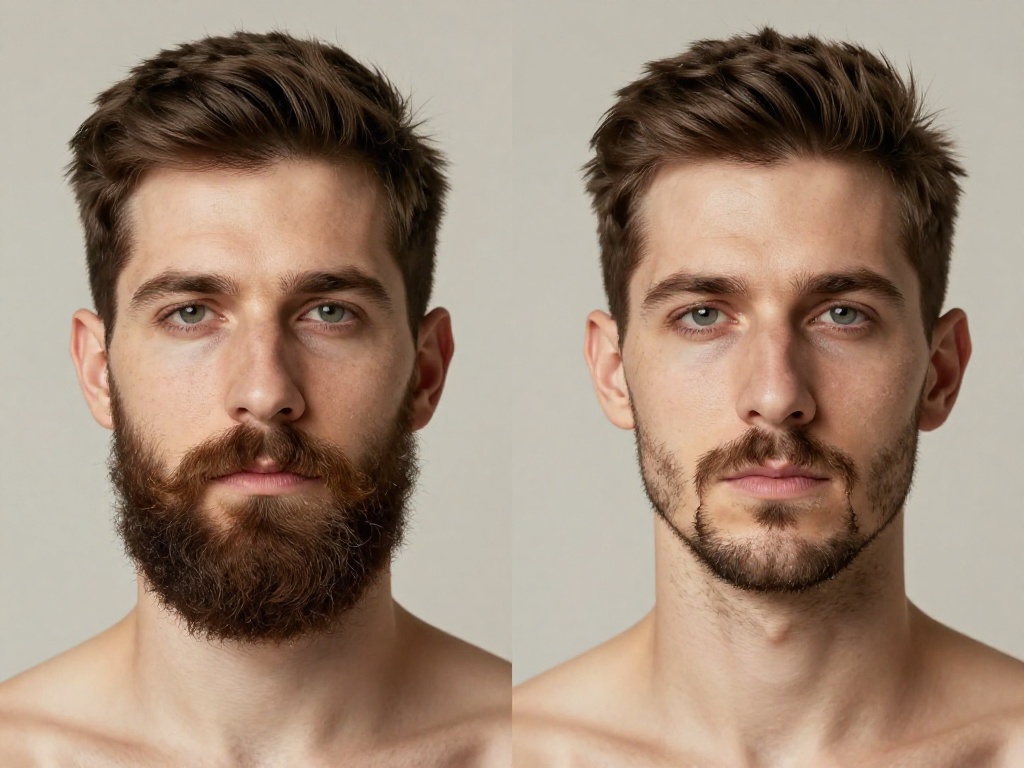
- To make the mustache stand out. If you want a bold, pronounced mustache as its own feature, shaving or shortening the connectors separates it and draws the eye to it.
- For specific styles. A handlebar mustache is actually easier to style when it’s disconnected from the beard — it stops beard hairs getting pulled up into the mustache, and keeps the handlebar clean and defined.
- For a deliberate, sharp look. Styles like a chinstrap with a separate mustache, or a goatee with a disconnected ‘stache, rely on shaving the connectors for a crisp, intentional appearance.
- Personal preference. Some men just prefer the cleaner, more defined look of a separated mustache and beard.
The bottom line on the decision: if you want a full, natural, easy beard — keep them. If you want a standout mustache, a handlebar, or a sharp defined style — shave or trim them. There’s no wrong answer; it’s your face and your look.
Not sure how long yours should take? Try our mustache growth calculator.
How to Trim the Connectors (Without Wrecking Your Mustache)
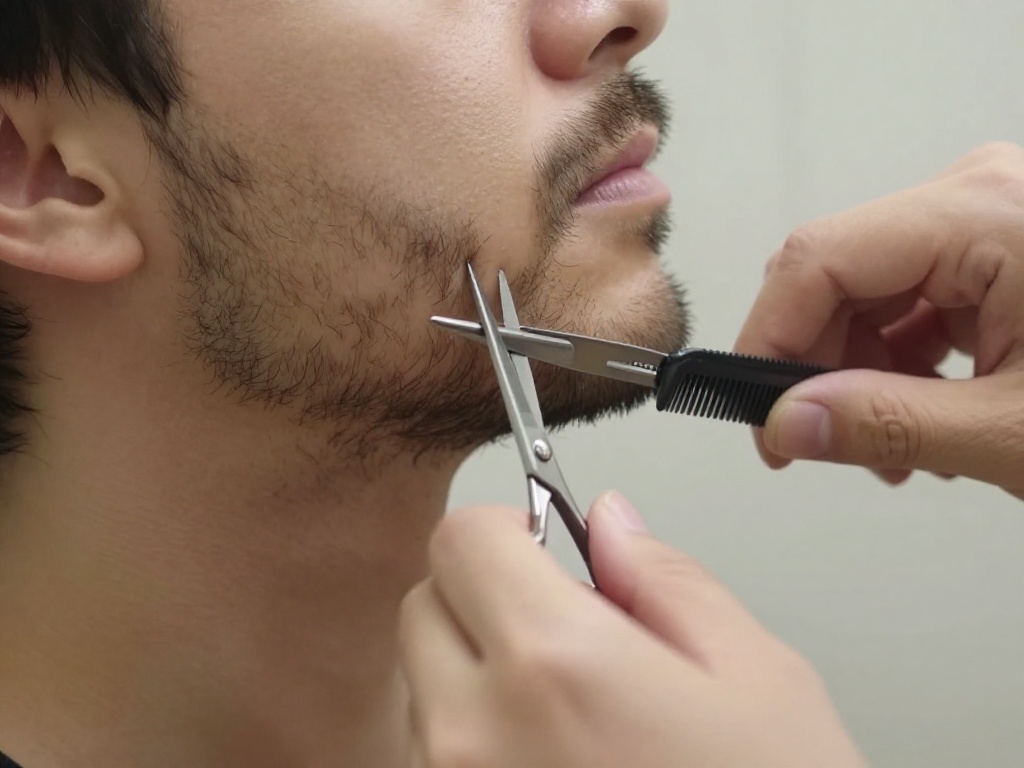
If you’d rather shorten the connectors than fully shave them — a great middle-ground that defines the area while keeping things connected — here’s the technique experienced beard guys use:
- Comb first. Comb your mustache and the connecting hairs downward so everything lies flat and you can see what you’re working with.
- Use comb + scissors, not just a trimmer. Hold a comb at the angle/length you want as a guard, then trim the hairs that poke beyond the teeth with scissors. This blends everything smoothly without taking off too much.
- Go slow and start long. Trim a little at a time. You can always take more off; you can’t put it back. Starting cautious prevents the classic “oops” moment.
- Define the edges last. If you want a cleaner boundary, use a precision trimmer or shavette to define the line where the mustache and beard meet — but go gently and don’t take the line too low.
If you want to fully SHAVE them off:
- Comb the area and clearly identify where the connectors end and your mustache/beard begin.
- Use a sharp razor with warm water and shaving gel, and shave in the direction of growth to avoid irritation and ingrown hairs.
- Take it slow near the mustache so you don’t accidentally catch mustache hairs.
- Moisturize afterward to soothe the skin.
A genuine word of caution from men who’ve done it: trim conservatively the first time. It’s very easy to accidentally shorten your mustache or take the line too low and end up with a chinstrap you didn’t want. When in doubt, trim less.
You can also read Can a Big Mustache Make Your Face Look Pudgier? (The Honest Answer)
What If You Shave Them and Regret It?
Good news: the connectors grow back just like the rest of your facial hair. Shaving doesn’t change how they grow or their thickness — that’s a myth — so if you try the disconnected look and don’t like it, just stop shaving the area and let them fill back in over a few weeks. So this is a low-risk experiment: you can always try the separated look and reverse it. (If you’re curious how long regrowth takes, see our guide on how long it takes to grow a mustache.)
Frequently Asked Questions
What is the hair connecting the beard and mustache called?
They’re commonly called the “connectors” or connecting hairs — the hairs running from the corners of your mustache down to the top of your beard, framing your mouth.
Should I shave the connectors or keep them?
It’s a style choice, not a rule. Keep them for a fuller, more natural, lower-maintenance beard. Shave or trim them to make your mustache stand out, for a handlebar, or for a sharp, defined look.
Does shaving the connectors look better?
Not universally — it depends on the look you want. A connected beard looks fuller and more natural; a disconnected mustache looks bolder and more defined. Try it and see which suits your face.
Will the connectors grow back if I shave them?
Yes. Shaving doesn’t change growth or thickness, so they’ll grow back in a few weeks if you change your mind. It’s a low-risk thing to experiment with.
Do I need to shave connectors for a handlebar mustache?
Not required, but many men find a handlebar easier to style when disconnected from the beard, since it stops beard hairs being pulled into the mustache and keeps the handlebar clean.
Not sure how long yours should take? Try our mustache growth calculator.
Do you shave what’s connecting your beard to your mustache? Only if you want to. Keeping the connectors gives you a fuller, more natural, lower-maintenance beard — which is why most men leave them. Shaving or trimming them makes your mustache a standout feature and suits handlebars and sharp, defined styles. Whichever you choose, trim conservatively, and remember it all grows back — so feel free to experiment until you find the look that’s yours.
Want more grooming guidance? See how long it takes to grow a mustache, how to make your mustache thicker, and our mustache brush guide for keeping everything neat.