

Should You Shave With Hot or Cold Water? The Honest Answer
It’s one of those grooming questions that splits opinion completely — some swear by a hot, steamy shave, others insist cold water is the secret to smooth skin. So which is right? Should you shave with hot or cold water?
The honest answer: the best shave actually uses both. Warm water to prepare, and cold water to finish. Each temperature does a different job, and using them at the right moment gives you the closest, most comfortable, least irritating shave. Let’s break down exactly why — and what to do if you can only pick one.
You can use our Free mustache growth calculator
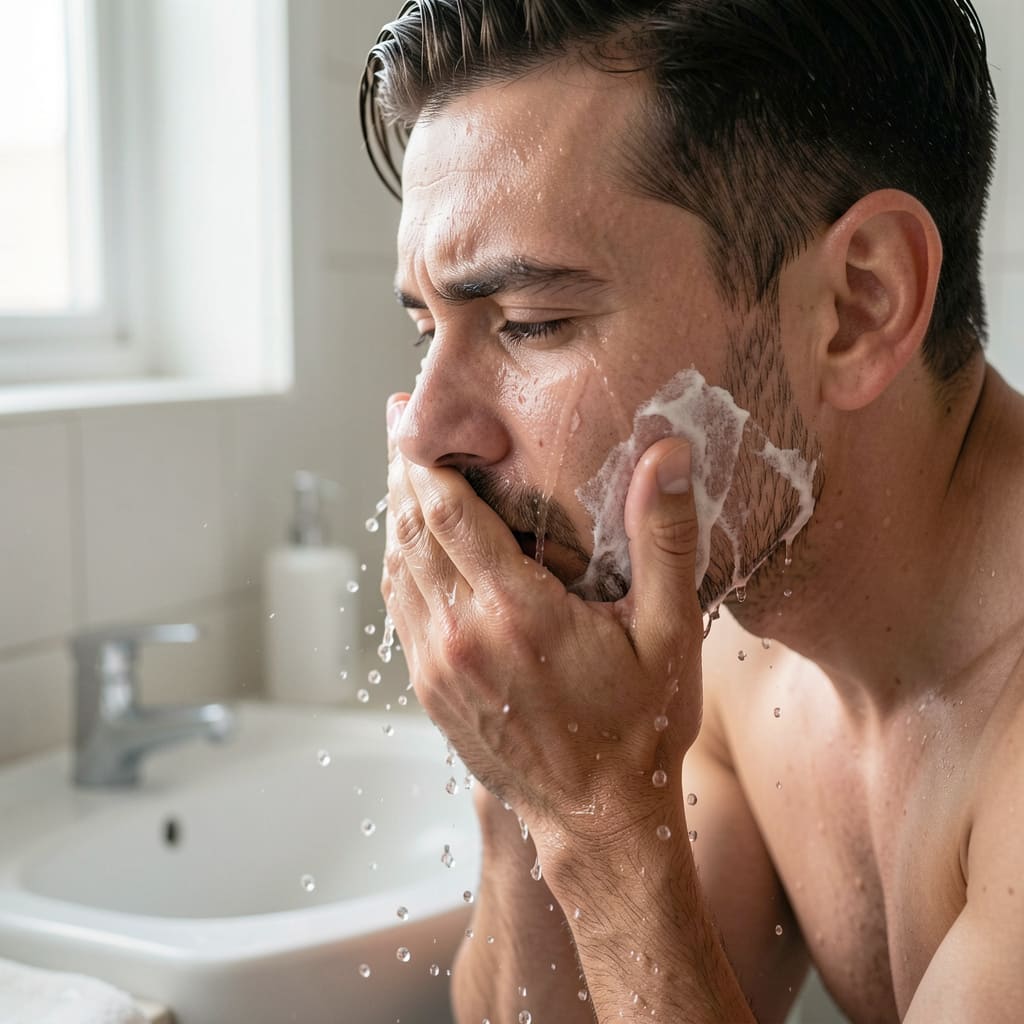
The Quick Answer
| Stage | Best temperature | Why |
|---|---|---|
| Before (prep) | Warm / hot | Softens hair, opens pores, easier cut |
| During the shave | Warm (not scalding) | Comfortable glide, stable lather |
| After (finish) | Cold / cool | Soothes skin, closes pores, reduces irritation |
So the ideal isn’t “hot vs cold” — it’s warm to prep, cool to finish.
Why Warm Water Helps (Before & During)
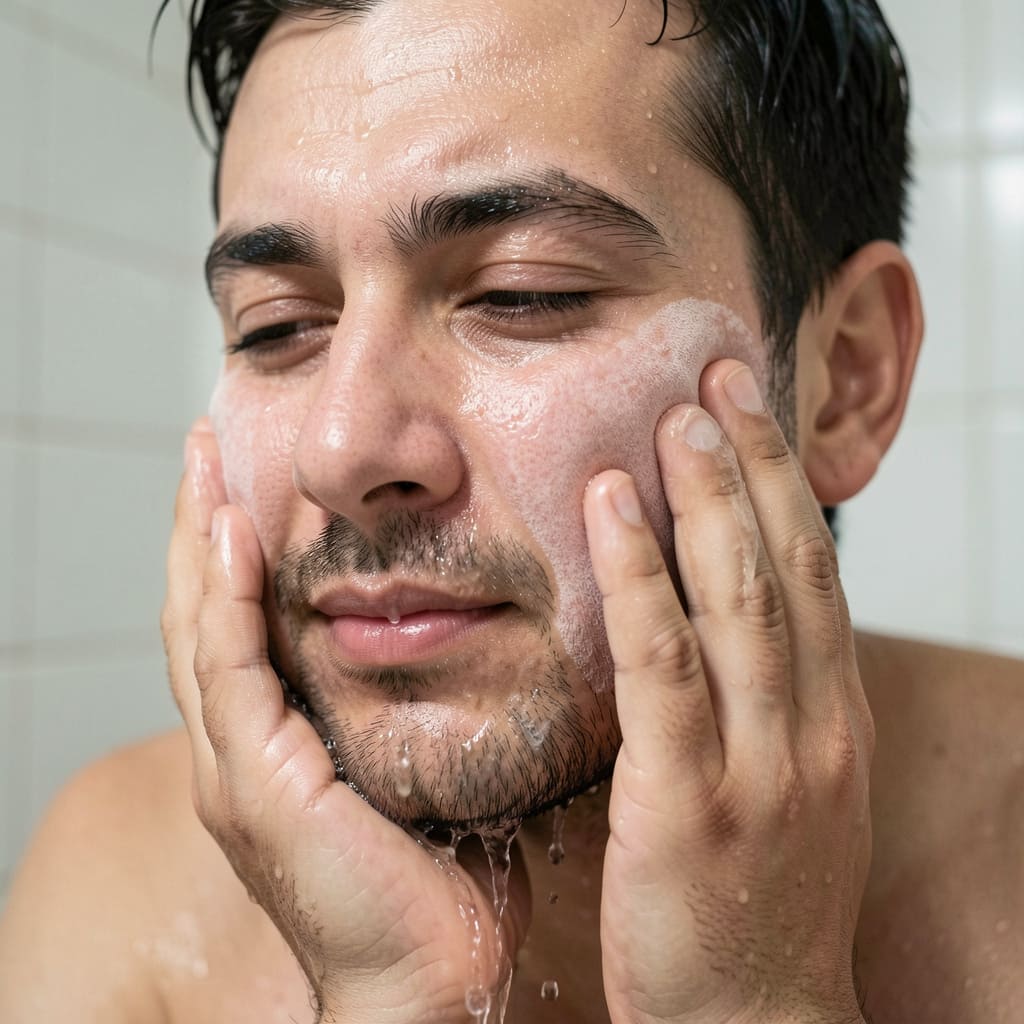
Warm water is the traditional choice for good reasons:
- It softens your whiskers. Warm water hydrates the hair and relaxes the tough outer cuticle, making hairs more pliable and easier to cut — which means less tugging and razor drag. This is why barbers use a hot towel before a shave.
- It opens your pores. Heat relaxes the skin and opens pores, helping your shaving cream work in and lifting the hair for a cleaner cut.
- It improves glide. Warm water makes lather more stable and the razor glide more comfortable.
This is why a warm shower (or a warm towel for 30–60 seconds) before shaving genuinely makes a big difference, especially if you have thick or coarse hair.
The caution: warm, not scalding. Very hot water strips your skin’s natural oils, can increase irritation, and may worsen dryness or sensitive-skin conditions. Comfortable warmth is the goal — not boiling.
You can also read Should I Shave My Mustache? A Simple Guide to Deciding
Why Cold Water Helps (After & For Some, During)
Cold water has real, science-backed benefits too:
- It soothes and calms the skin. A cool rinse after shaving reduces redness, inflammation, and the sting of any nicks.
- It tightens pores. Cold water closes the pores back up after shaving, which helps keep dirt out and reduces the chance of irritation and bumps.
- It can give a closer shave (the cold-shaving argument). Some men shave entirely with cold water because cold stiffens the hair so it stands more upright and rigid — making it easier to cut cleanly at skin level. Cold also keeps skin firm rather than soft and “bendy.”
- It’s refreshing — especially in hot weather — and gentler on your razor blade, which can dull faster with constant hot water.
This is why a cool or cold rinse to finish is the near-universal recommendation, even among hot-water shavers.
You can also read Do I Shave What’s Connecting My Beard to My Mustache?

So… Cold-Water Shaving — Is It Worth Trying?
Some men shave entirely with cold water and love it — they report less irritation, fewer ingrown hairs, a closer cut, and a refreshing feel. There’s a real case for it, especially if:
- You have sensitive skin that reacts badly to heat.
- You get razor burn or ingrown hairs with hot shaves.
- You live in a hot climate or want a wake-up-call shave.
The trade-off: because cold water keeps hairs stiff, cold shaving can feel like more tugging and resistance, and some men find it less comfortable and get more nicks. It’s not the easiest method for everyone — so it’s worth experimenting rather than assuming it’ll suit you.
The honest verdict: cold-only shaving works well for some skin types (especially sensitive or irritation-prone), but for most men, warm prep + cool finish is the more comfortable, reliable balance.
The Ideal Shaving Routine (Putting It Together)
- Prep with warmth. Shave after a warm shower, or hold a warm, damp towel to your face for 30–60 seconds to soften the hair and open pores.
- Lather up with a quality shaving cream or soap and warm water.
- Shave with warm (not hot) water, using a sharp clean blade, short gentle strokes, with the grain. Rinse the blade in warm water between passes.
- Finish with a cool/cold rinse to soothe the skin and close the pores.
- Apply an alcohol-free aftershave balm or moisturizer to rehydrate and protect.
That sequence gives you the best of both temperatures.
You can also read How to Get Rid of Mustache Shadow After Shaving: 7 Fixes That Actually Work
Frequently Asked Questions
Is it better to shave with hot or cold water?
The best approach uses both: warm water before and during the shave to soften hair and open pores, then a cool or cold rinse afterward to soothe skin and close pores. If you have sensitive skin, you may prefer cooler water throughout.
Should I shave my face with hot or cold water?
Prep and shave with warm (comfortable, not scalding) water to soften the hair, then finish with a cool rinse. Avoid very hot water, which strips oils and can irritate the skin.
Does cold water give a closer shave?
It can — cold water stiffens the hairs so they stand upright and cut cleanly at skin level, and many men report less irritation. The downside is more tugging and a less comfortable feel, so it suits some skin types better than others.
Is hot water bad for shaving?
Comfortably warm water is great for prep. Very hot water is the problem — it strips natural oils, increases irritation, and can worsen dryness or sensitive skin. Keep it warm, not scalding.
What’s the best water temperature to finish a shave?
Cool or cold. A cool rinse after shaving soothes the skin, reduces redness, and closes the pores, helping prevent irritation and bumps.
The Bottom Line
Should you shave with hot or cold water? The smartest answer is both, at the right time: warm water to prep and shave (softening hair and opening pores), and a cool rinse to finish (soothing skin and closing pores). Avoid scalding-hot water, which irritates. And if you have sensitive, irritation-prone skin, it’s genuinely worth experimenting with a fully cold-water shave — some men never look back. Find what your skin responds to best, and you’ll get a closer, more comfortable shave.
Want a smoother shave overall? See our guide on getting rid of mustache shadow after shaving and should you shave your mustache.