What Is a Beard Without a Mustache Called? (Every Style Name Explained)
If you’re growing a beard but skipping the mustache — whether by choice, or because your upper lip just won’t cooperate — you’ve probably wondered: what is a beard without a mustache actually called? The answer is that there isn’t just one name. A beard without a mustache comes in several distinct styles, each with its own name, look, and the face shape it flatters best.
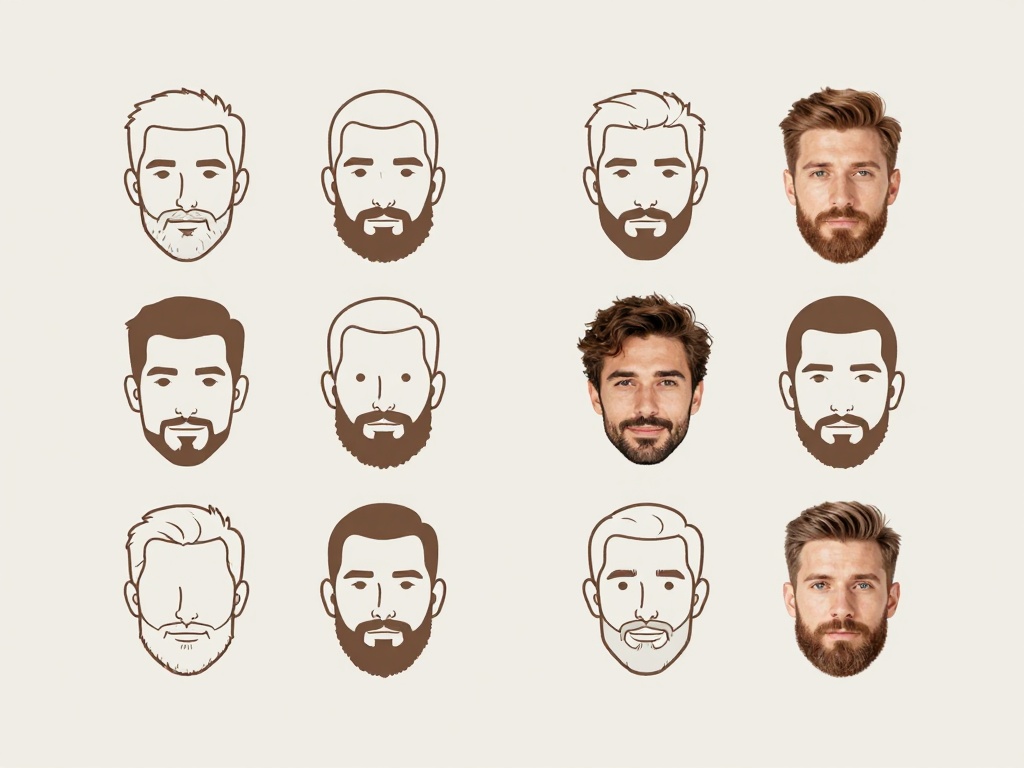
Quick answer: A beard without a mustache is most commonly called a goatee, chinstrap, chin curtain, Amish beard (Shenandoah), Van Dyke, Balbo, or mutton chops — depending on the exact shape. Below, we explain what each one is called, what it looks like, and who it suits, so you can find the right name for the look you want.
Is a Beard Without a Mustache Weird? (No — Here’s the Truth)
Let’s address this first, because a lot of men quietly wonder it: a beard without a mustache is completely normal and totally okay to wear. Some men find mustaches impractical; others simply can’t grow a full one. Neither is a problem. There are plenty of sharp, classic, and modern beard styles that deliberately leave the upper lip bare — and many of them are iconic.
The one thing worth knowing: a beard without a mustache tends to draw the eye to the jaw and chin, which can make a face look a little longer or wider. That makes these styles especially flattering if you have a rounder or shorter face you’d like to lengthen. So it’s not weird — it’s a styling tool.
The Names: Every Beard-Without-Mustache Style Explained
Here’s what each style is actually called, so you can name the look you’re after.
Goatee
The classic. A goatee is hair on the chin with a bare upper lip. It can be tight and cropped or grown into a longer point, and is often paired with a soul patch (a small tuft just below the lower lip) — when you have both, it’s sometimes called a “goat patch.” The goatee is the most versatile no-mustache style and suits most face shapes, especially round or oval faces wanting more definition.
Chinstrap
A chinstrap is a thin line of beard running from your sideburns along the jawline to the chin — like the strap of a helmet, hence the name. It’s clean, sharp, and stylish at any age, but it needs frequent trimming to keep the line neat and not too wide. (Searched specifically as “chin strap beard without mustache.”)
Chin Curtain
The chin curtain follows the jawline as a fuller beard but skips the upper lip entirely. It frames the face along the jaw and chin, giving a neat, linear look that enhances facial structure.
The Amish beard, also called the Shenandoah, Lincoln beard, or Whaler, is essentially a long chin curtain with no mustache — a full beard following the jaw with a clean upper lip. It has a bold, distinctive, old-world character. (Famously, Abraham Lincoln wore this look.)
Van Dyke
A Van Dyke is a pointed chin beard combined with a floating mustache — meaning the mustache is not connected to the beard. (So technically it has a mustache, but disconnected — it often comes up in “beard without mustache” searches because the two are separated.) Named after the 17th-century painter Anthony van Dyck, it’s sophisticated and suits oval or square faces.
Balbo
Similar to the Van Dyke but without the soul patch, the Balbo features a floating (disconnected) mustache and a beard shaped like an inverted T. Versatile and stylish, it suits most face shapes and is a good choice if you want shape without a full chin curtain.
Mutton Chops
Mutton chops are large, full sideburns that extend down the cheeks toward the corners of the mouth — but stop short of a mustache, leaving the upper lip and often the chin bare. A bold, vintage, statement look.
Full Beard Without Mustache
You can also simply grow a full beard and keep the upper lip shaved — sometimes just called a “full beard without mustache.” It’s the maximal version of the bare-lip look. (A common search: “full beard without mustache.”)
Round or short face: Styles that add length to the chin (goatee, chin curtain, longer Amish) help elongate your face.
Long or oval face: Be careful with very long chin styles that lengthen further; a balanced goatee or Balbo works well.
Square face: Van Dyke and Balbo complement strong jawlines.
Whatever you choose: the bare upper lip needs upkeep — shave or trim it regularly to keep the look intentional and sharp.
The real rule: a style that suits your friend may not suit you. Pick based on your face shape, and keep it well-trimmed — an inappropriate style looks bad, but there’s no such thing as a beard-without-mustache being inherently unattractive.
How to Trim a Beard Without a Mustache
Keeping the upper lip clean is the defining maintenance task:
Grow the beard to a good length first before shaping.
Define your shape — decide which style (goatee, chinstrap, etc.) you’re going for.
Trim dry, starting with a longer guard and working shorter gradually, so you don’t over-cut.
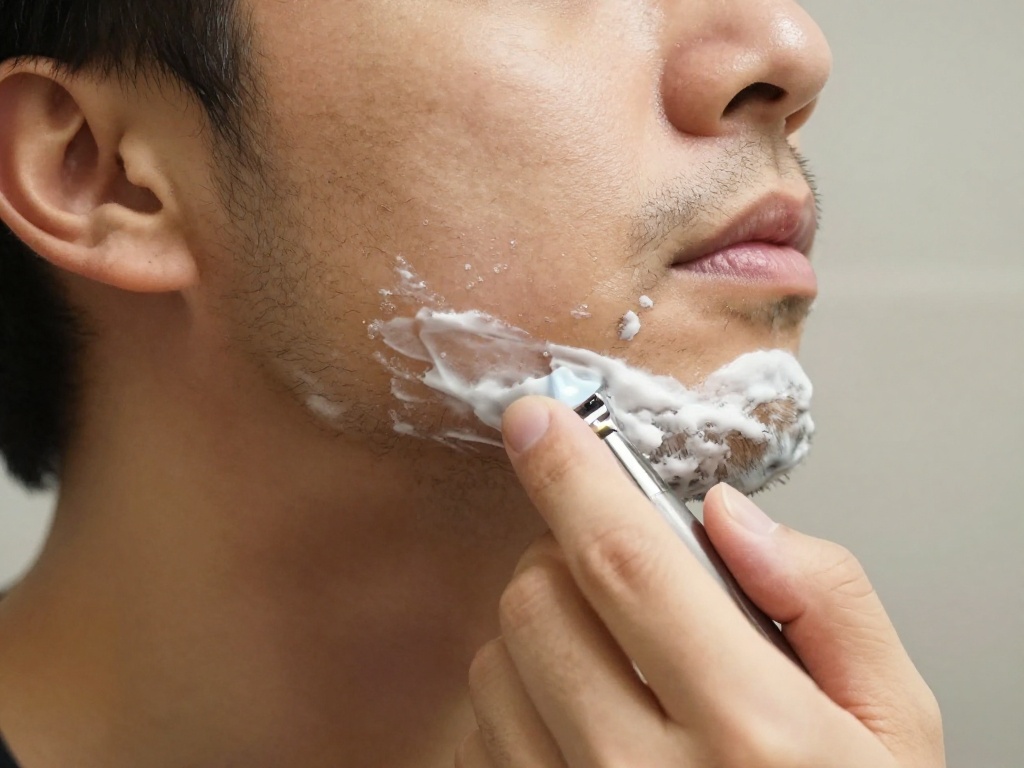
Shave the upper lip cleanly and regularly — this is what creates the no-mustache look. Shave in the direction of growth and moisturize after.
Keep lines sharp — define cheek and neck lines, and re-shave the lip every day or two to keep it crisp.
There’s no single name — it depends on the shape. The most common are the goatee, chinstrap, chin curtain, Amish beard (Shenandoah), Van Dyke, Balbo, and mutton chops.
What do you call a beard without a mustache in general?
There isn’t one universal term; “beard without a mustache” covers a family of styles. If you want a catch-all, many people just say a “no-mustache beard” or refer to the specific style name like goatee or chinstrap.
Are beards without mustaches weird?
No. They’re completely normal and include many classic, stylish looks. They tend to emphasize the chin and jaw, which is especially flattering for rounder or shorter faces.
Why do some men (like the Amish) wear a beard without a mustache?
For some it’s a style choice; for the Amish specifically, the mustache-free beard is a long-standing cultural and religious tradition. The resulting look (a chin curtain) is also a recognized style for anyone.
What’s the easiest beard-without-mustache style to maintain?
A simple goatee or a short chin beard is usually the easiest — you mainly keep the upper lip and cheeks shaved and the chin hair trimmed to shape.
A beard without a mustache isn’t one thing with one name — it’s a whole family of styles: the goatee, chinstrap, chin curtain, Amish/Shenandoah, Van Dyke, Balbo, and mutton chops, plus the simple full-beard-with-shaved-lip. None of them is “weird”; they’re classic, flattering looks that put the focus on your jaw and chin. Pick the one that suits your face shape, keep the upper lip clean, and trim it sharp.